La ricarica rapida pubblica negli Stati Uniti ha dato nuovo slancio nel 2025, con un anno record per le nuove porte di ricarica rapida in corrente continua. Il titolo è l'espansione, ma la storia pratica è ciò che accade dopo l'espansione: con la diffusione dei siti multi-postazione, le prestazioni vengono giudicate meno dalla velocità di crescita di una rete e più dalla sua costanza di disponibilità.
Questo cambiamento è facile da ignorare finché l'utilizzo non aumenta. Le sedi più grandi eseguono più sessioni al giorno, vedono una maggiore gestione ripetuta dello stesso hardware e affrontano un volume maggiore di piccoli incidenti che possono trasformarsi in tempi di inattività. Quando alcuni stand vanno offline in una sede molto frequentata, l'impatto è immediato. Le code si formano più rapidamente, la frustrazione dei clienti aumenta e l'arretrato di manutenzione diventa più difficile da smaltire con le stesse risorse sul campo.
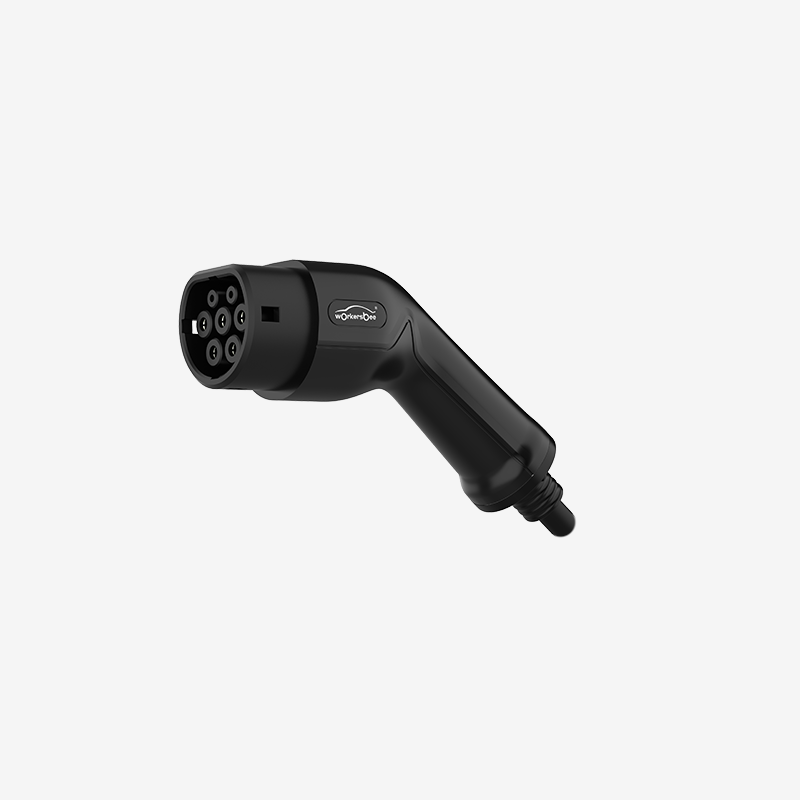
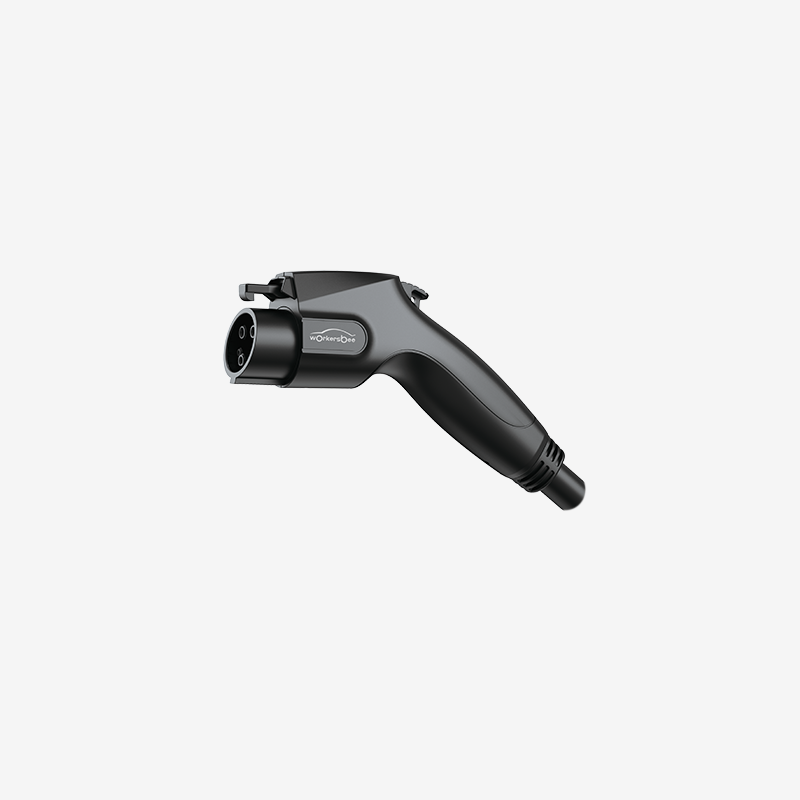
In molti casi, la prima pressione sull'affidabilità non proviene dall'armadio elettrico. Si manifesta all'ultimo metro, dove i clienti interagiscono con il sistema: la maniglia, il cavo, le superfici di tenuta e i punti in cui calore e stress meccanico si accumulano nel tempo. Un sistema di stallo può essere perfettamente alimentato e comunque interrompere le sessioni perché un connettore si surriscalda in caso di utilizzo prolungato, un cavo si affatica in prossimità di un'area ad alta flessibilità o ripetute torsioni e trascinamenti creano guasti intermittenti che portano a nuovi tentativi.
Le configurazioni multi-stallo rendono la gestione quotidiana un fattore di affidabilità. Nei siti pubblici, i cavi vengono tirati con angolazioni insolite, piegati più del previsto, lasciati cadere, trascinati e attorcigliati quando le posizioni di parcheggio non sono uniformi. Nel tempo, questi schemi causano usura evitabile e multe ripetute sugli stessi stalli. I siti che considerano il passaggio e il rivestimento dei cavi come parte integrante della progettazione della stazione, non come un dettaglio di finitura, di solito riducono i guasti prevenibili e migliorano la coerenza tra le stagioni.
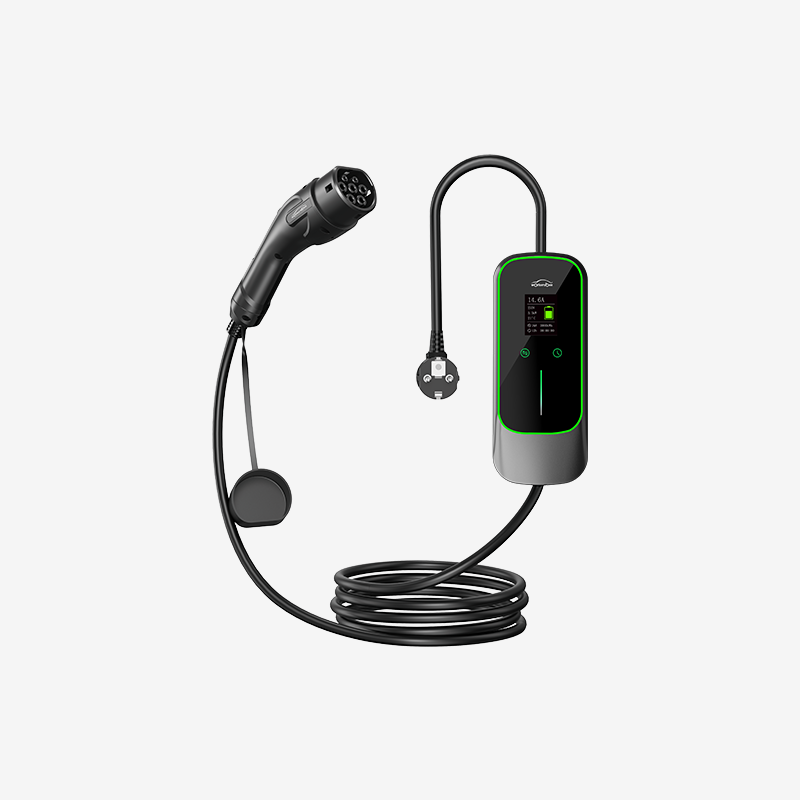
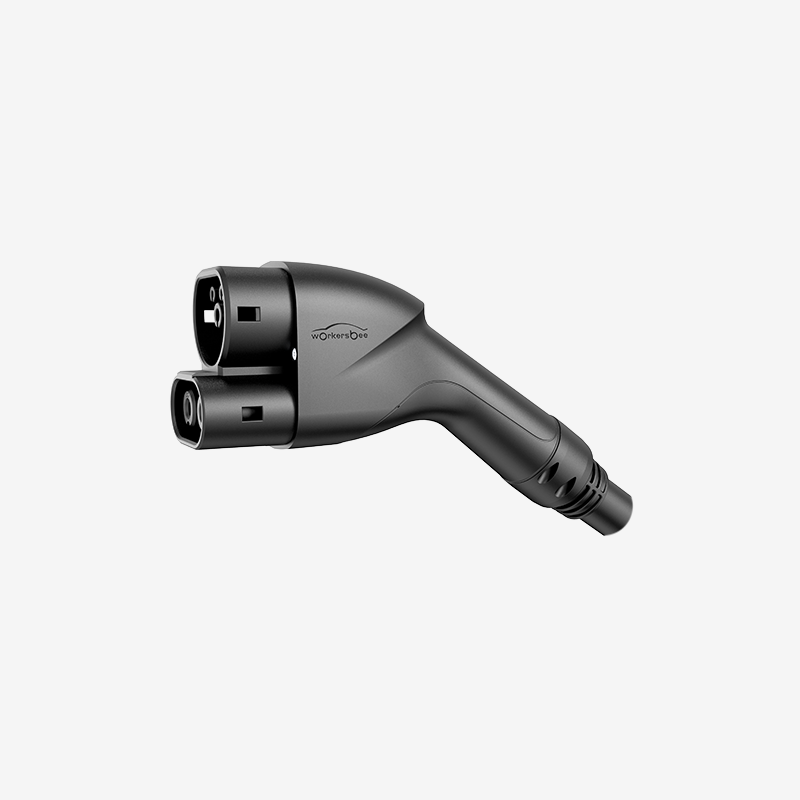
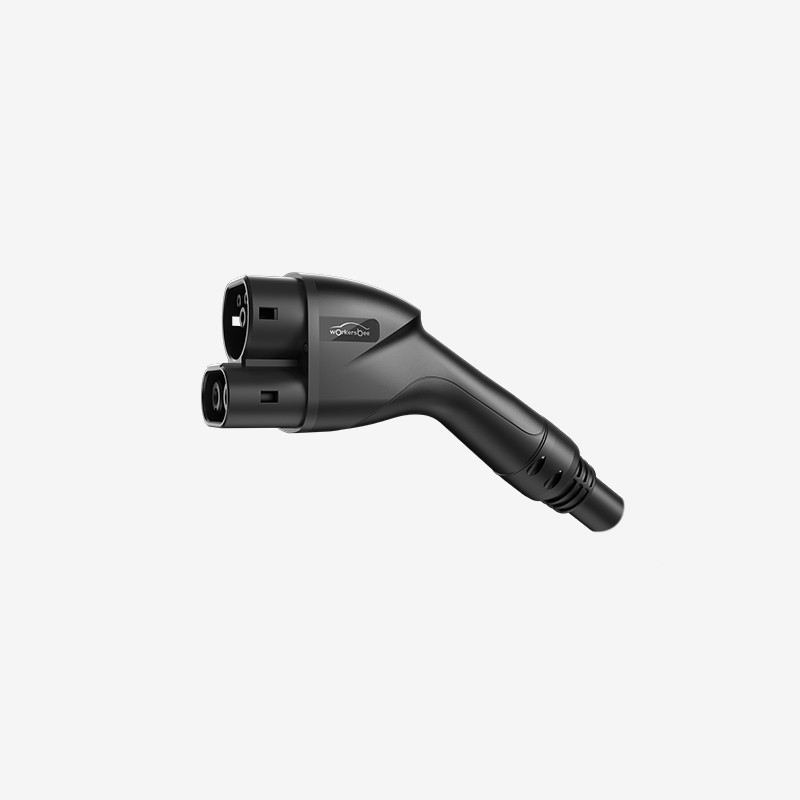
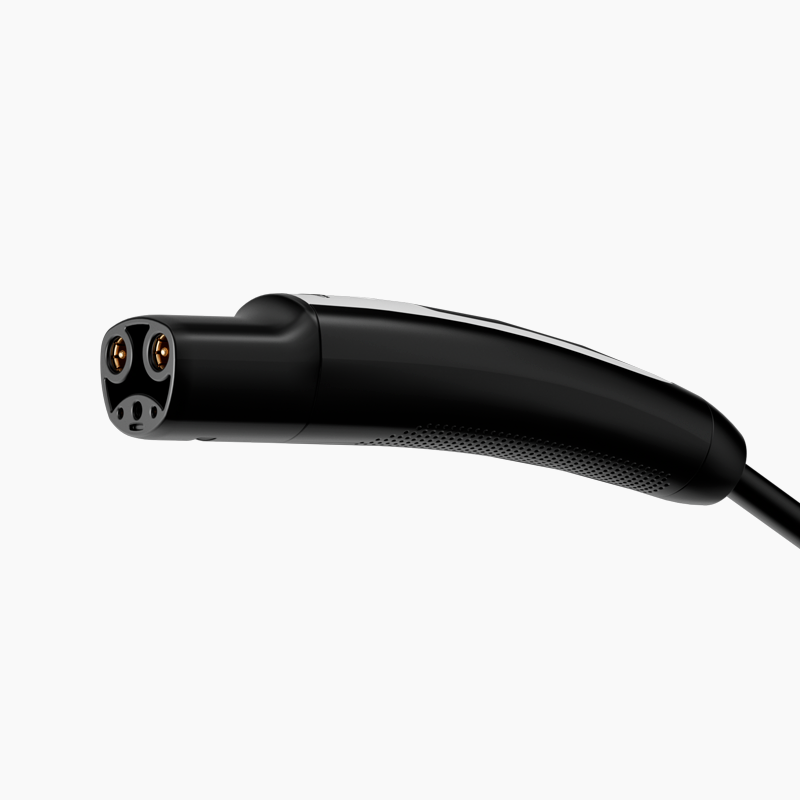
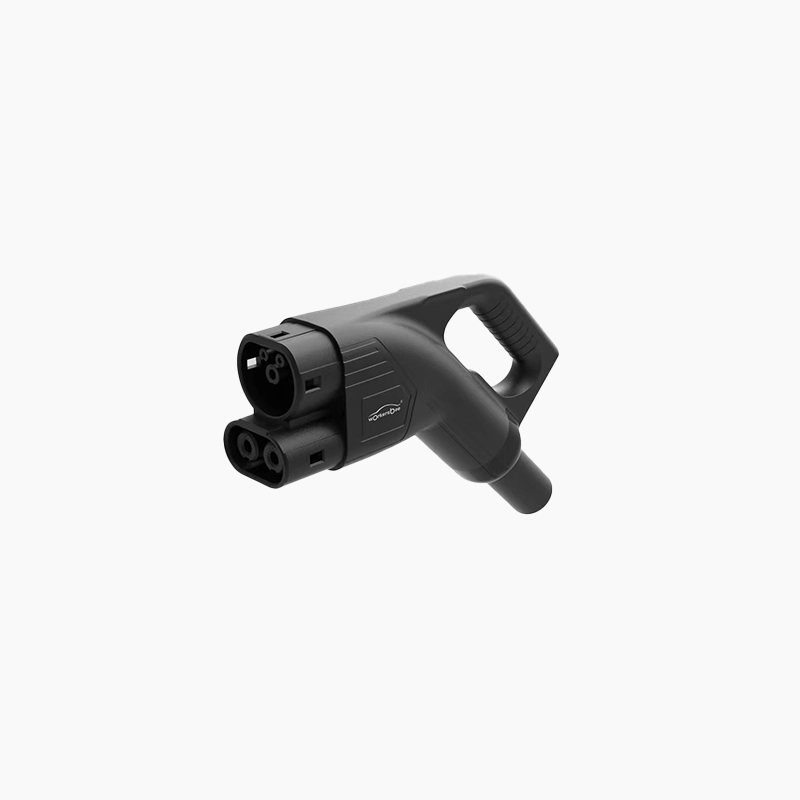
Quando si verificano guasti, la leva più rapida è la manutenzione sul campo. Gli operatori traggono i maggiori vantaggi da hardware e documentazione che supportano un percorso di ritorno in servizio prevedibile: diagnosticare rapidamente il sintomo, sostituire ciò che deve essere sostituito con un numero minimo di strumenti ed eseguire un breve controllo di verifica prima di lasciare il sito. In pratica, ciò significa valutare connettori e set di cavi come componenti di servizio, non solo come interfacce elettriche. Per i team che allineano le scelte hardware con gli obiettivi di uptime, i connettori di ricarica CC e i gruppi di cavi vengono sempre più valutati attraverso questa lente operativa.
Per garantire la coerenza delle decisioni tra diverse tipologie di sito, una scorecard compatta aiuta ad allineare ingegneria, operazioni e approvvigionamento in base alle condizioni che determinano tempi di inattività reali. Previene inoltre un errore comune nelle implementazioni di ricarica rapida: la selezione basata sui picchi di potenza, sottovalutando il ciclo di lavoro, il calore ambientale, lo stress da movimentazione e la capacità di manutenzione.
Scheda di valutazione del sito ad alto utilizzo (vista operatore) | Cosa valutare | L'approccio raffreddato naturalmente tende ad adattarsi quando... | L'approccio raffreddato a liquido tende a essere adatto quando... |
Profilo di utilizzo | Sessioni al giorno e continuità del ciclo di lavoro | Uso moderato con tempo di recupero tra i picchi | Ciclo di lavoro elevato con sessioni consecutive |
Necessità di consegna continua | Stabilità nel tempo rispetto a brevi raffiche | L'output stabile è ottenibile entro un intervallo continuo inferiore | È richiesta un'uscita stabile a carichi continui più elevati |
Immersione ambientale e termica | Giornate calde, esposizione al sole, calore del recinto | Le condizioni di calore raramente spingono il sistema in derating | Le condizioni di calore spesso spingono il sistema verso il declassamento |
Sollecitazione da movimentazione dei cavi | Layout, routing, controllo del raggio di curvatura, abuso pubblico | La gestione dello stress è controllata e il routing è indulgente | Lo stress da movimentazione è elevato e il rischio di usura aumenta rapidamente |
Modello di manutenzione | Aspettative di tempo di risposta interne vs esternalizzate | Le finestre di servizio possono tollerare una maggiore variabilità | Il modello di servizio favorisce prestazioni prevedibili e meno callback |
Tolleranza ai tempi di inattività | Costo operativo di uno stand offline | Le interruzioni di corrente in un singolo box sono meno dirompenti | Gli stand offline creano rapidamente code e hanno un impatto sulla reputazione |
La storia di sviluppo continuerà fino al 2026, ma le reti che scalano senza problemi saranno quelle progettate per essere manutenute su larga scala. Ciò significa scegliere componenti che si comportino in modo prevedibile in condizioni di utilizzo prolungato e progettare flussi di lavoro di servizio che ripristinino l'uptime in modo rapido e coerente. Per i siti ad alto utilizzo, dove la fornitura continua e la stabilità termica sono vincoli vincolanti, le soluzioni di connettori CC raffreddati a liquido possono essere parte di questo approccio, ma la conclusione è più ampia: su larga scala, la manutenibilità non è più secondaria alla velocità di implementazione.

Indirizzo : 538 Fangqiao Road, SlP-Xiangcheng Cooperative Zone, Xiangcheng, Suzhou, China
 CONTATTACI


 IPv6 RETE SUPPORTATA
 Italiano